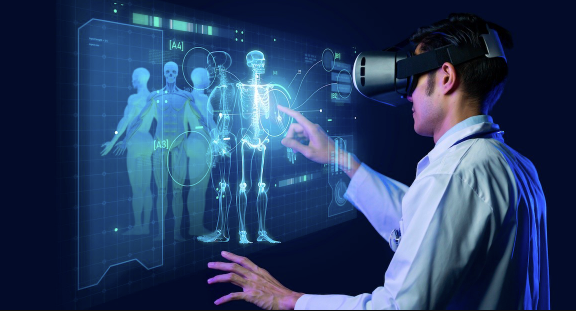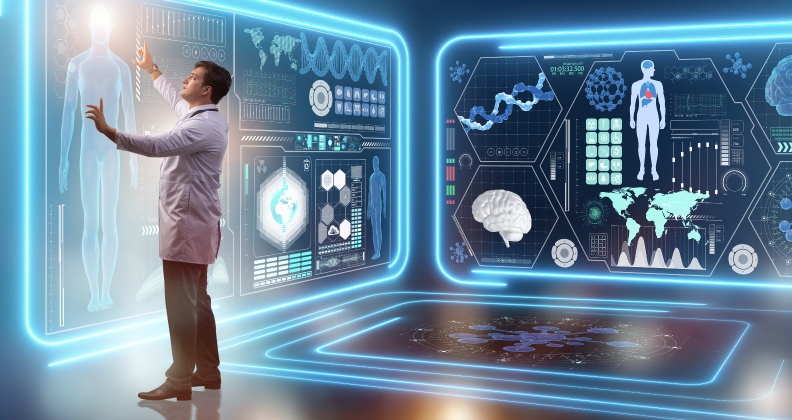
AI in healthcare imaging is reshaping diagnostic practices through improved accuracy and efficiency. By analyzing vast datasets, AI algorithms can detect patterns often missed by the human eye, facilitating earlier diagnoses. This technology not only enhances patient outcomes but also optimizes radiology workflows. As advancements continue, the implications for personalized medicine and real-time analytics present intriguing possibilities that warrant further exploration. What developments lie ahead in this rapidly evolving field?
How AI Enhances Accuracy in Medical Imaging
As advancements in artificial intelligence (AI) continue to unfold, the integration of these technologies into medical imaging has markedly improved diagnostic accuracy.
Enhanced image analysis capabilities enable the identification of anomalies with unprecedented precision. AI algorithms process vast datasets, refining their understanding of complex patterns, thereby augmenting human expertise.
This synergy fosters a more reliable diagnostic framework, ultimately empowering healthcare professionals and promoting patient autonomy in decision-making.
The Role of AI in Early Disease Detection
How can the integration of AI transform early disease detection in healthcare?
By leveraging predictive analytics, AI systems can identify subtle patterns in imaging data, facilitating the early diagnosis of conditions that might otherwise remain undetected.
This proactive approach not only enhances patient outcomes but also enables timely interventions, ultimately improving the efficiency of healthcare delivery and reducing the burden on medical resources.
Streamlining Radiology Workflows With AI Technology
The advancements in AI technology not only enhance early disease detection but also play a vital role in streamlining radiology workflows.
Automated reporting facilitates timely communication of findings, significantly reducing turnaround times.
Furthermore, workflow optimization through AI algorithms allows radiologists to prioritize critical cases, thereby enhancing productivity.
These innovations collectively contribute to improved patient outcomes and operational efficiency within radiology departments.
See also: AI in Fraud Detection and Financial Security
Future Trends: What’s Next for AI in Healthcare Imaging?
Innovations lie ahead for AI in healthcare imaging. Future advancements will leverage predictive analytics to enhance diagnostic accuracy and optimize treatment strategies, significantly improving patient outcomes.
Integration of AI systems with electronic health records may enable real-time data analysis, facilitating personalized medicine. As technologies evolve, the potential for AI to transform imaging practices and empower healthcare professionals will continue to expand.
Conclusion
In conclusion, the integration of AI in healthcare imaging represents a pivotal advancement in medical diagnostics. By enhancing accuracy and facilitating early disease detection, AI not only streamlines radiology workflows but also fosters a paradigm shift towards personalized medicine. As predictive analytics evolve, the potential for real-time data analysis will continue to redefine imaging practices. This trajectory suggests that AI will be an indispensable tool in optimizing patient care and operational efficiency within the healthcare landscape.