The traditional fashion design process has long been a marathon of manual labor. From hand-sketched concepts and painstaking pattern drafting to multiple rounds of physical prototyping, bringing a single garment to life could take months. However, the integration of Artificial Intelligence into the creative workflow is fundamentally changing this timeline. By automating the most tedious aspects of garment generation, fashion AI is allowing brands to move from a concept to a production-ready design in a fraction of the usual time.
The End of the Blank Canvas: AI-Driven Conceptualization
One of the biggest bottlenecks in design is the initial creative phase. Traditionally, designers would spend days or weeks researching trends, creating mood boards, and sketching variations.
Today, AI-powered tools can generate hundreds of design iterations based on simple text prompts or reference images. Instead of starting from scratch, a designer can use AI to explore different silhouettes, necklines, and pocket placements instantly. This doesn’t replace the designer’s creativity; rather, it acts as a “super-powered assistant” that handles the brainstorming phase, allowing the human creator to focus on refining the most promising ideas.
Automating the Technical: From Sketch to 3D Model
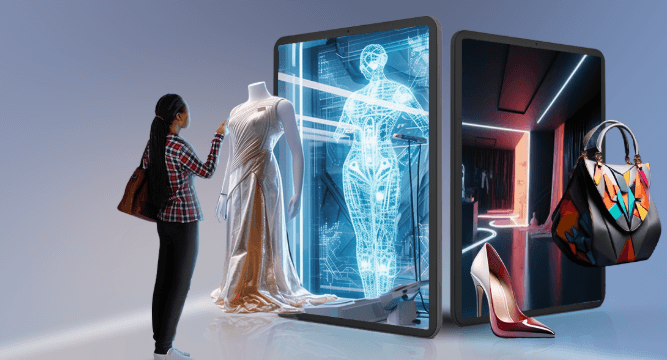
The most revolutionary aspect of modern fashion AI is its ability to translate 2D ideas into 3D garments with technical precision.
1. Instant Pattern Generation
In a traditional workflow, creating a balanced pattern for a complex garment is a highly specialized task that takes hours. Modern AI systems can analyze a 3D design and automatically generate the 2D patterns required to manufacture it. This automation eliminates the “guesswork” and ensures that the digital model is actually buildable in the real world.
2. Intelligent Fabric Simulation
AI is also streamlining how materials are tested. By analyzing the data of thousands of digital textiles, AI can predict how a specific weight of denim or a certain weave of silk will behave on a human body. It can automatically flag areas of high tension or improper drape, allowing designers to fix structural issues digitally before a single piece of fabric is ever cut.
Cutting Design Time in Half: The Efficiency Metric
By centralizing the design process in an AI-driven environment, fashion houses are seeing dramatic improvements in their “Time-to-Market.”
- Reduced Physical Sampling: Since the AI can validate the fit and style with high accuracy, the need for five or six physical prototypes is reduced to just one or two. This alone saves weeks of shipping and manufacturing time.
- Real-Time Collaboration: When AI handles the technical “heavy lifting,” different departments—like design, merchandising, and manufacturing—can view and approve updates in real-time. This eliminates the back-and-forth email chains that typically slow down production.
- Rapid Iteration: Changing the color, print, or length of a garment used to require a complete redraw or a new sample. With AI, these changes are applied across the entire 3D model and its technical packs instantly.
The Role of Generative Design in Sustainability
Speed isn’t the only benefit; AI is also making the industry more sustainable. Every year, millions of tons of fabric are wasted during the sampling and prototyping phases. By automating garment generation in a digital space, brands can ensure that they only produce what is perfect.
Furthermore, AI can optimize pattern layouts (nesting) to ensure that the maximum amount of fabric is used during the cutting process, minimizing the scraps that typically end up in landfills.
Personalized Fashion at Scale
As we look toward the future, AI will allow for “Mass Customization.” Instead of producing thousands of identical shirts, brands can use AI to tweak a base design to fit an individual customer’s specific body measurements or style preferences. Because the AI automates the adjustment of the patterns and the 3D visualization, this level of personalization becomes commercially viable for the first time in history.
Bridging the Gap Between Trend and Reality
Fashion is a fast-moving industry where trends can disappear as quickly as they emerge. AI helps brands stay ahead of the curve by analyzing social media and runway data to predict what consumers will want next. Once a trend is identified, the AI-powered design tools can generate relevant garments almost immediately, allowing brands to be the first to market with the styles that matter most.
See also: Trapstar Australia – Own the Streets in Style
Conclusion
The rise of fashion AI marks a shift from “manual craftsmanship” to “intelligent creation.” By automating the repetitive and technical hurdles of garment generation, technology is giving designers back their most precious resource: time.
As AI tools continue to evolve, the distance between a creative spark and a finished product will continue to shrink. For the fashion industry, this means a future that is not only faster and more profitable but also more creative and sustainable. The era of the digital designer, empowered by AI, is no longer a future concept—it is the new industry standard.