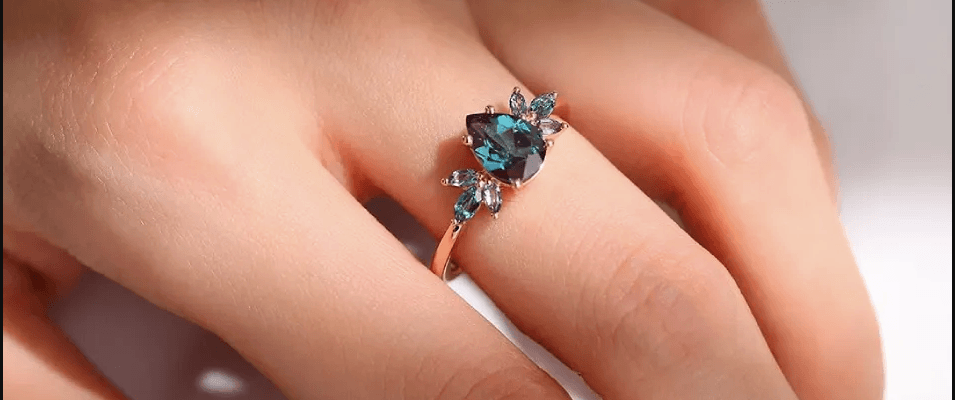
Alexandrite is a gemstone that captivates collectors and jewellery lovers alike, known for its extraordinary color-changing properties. Unlike many other gemstones that maintain a consistent hue, alexandrite appears green or bluish-green in daylight and transforms to red or purplish-red under incandescent light. This unique optical phenomenon, combined with its rarity, makes alexandrite one of the most expensive gemstones on the market. Even with the availability of lab grown alexandrite, natural alexandrite remains highly valued, often surpassing the price of sapphires, rubies, or even some diamonds.
In this article, we explore the factors that contribute to alexandrite’s high price and why it is considered one of the most prestigious gemstones available today.
Rarity and Supply
The primary reason alexandrite is more expensive than many other gemstones is its rarity. Natural alexandrite is extremely scarce, and high-quality stones with vivid color changes are even harder to find. Most alexandrite deposits are located in limited regions such as Russia, Sri Lanka, and Brazil. These deposits produce relatively few stones suitable for fine jewellery, and even smaller or lower-quality stones are highly sought after.
Because of this scarcity, natural alexandrite commands a premium price. Even though lab grown alexandrite is available, which replicates the same chemical and optical properties as natural stones, it is still relatively new to the market. While lab grown alexandrite is more affordable than its natural counterpart, its price remains higher than many other gemstones because it mimics the rarity and beauty of natural alexandrite.
Unique Color-Change Effect
Another factor contributing to alexandrite’s high value is its extraordinary color-change effect. Unlike diamonds, sapphires, or emeralds, which maintain a single color, alexandrite displays two distinct colors depending on the light source. This phenomenon occurs due to the presence of chromium ions in the crystal structure, which absorb and reflect different wavelengths of light.
The intensity and clarity of the color change play a major role in determining the stone’s price. Stones that exhibit a dramatic and well-defined shift from green to red are far more valuable than those with a less noticeable change. Lab grown alexandrite can reproduce this effect perfectly, but the craftsmanship involved in creating larger, flawless stones makes lab grown alexandrite still more costly than typical gemstones like amethyst or garnet.
Durability and Hardness
Alexandrite is part of the chrysoberyl family and ranks 8.5 on the Mohs scale of hardness. While it is slightly softer than sapphires and diamonds, it is still durable enough for everyday wear. This hardness ensures that alexandrite jewellery, including rings, bracelets, and pendants, can withstand regular use without significant damage.
The combination of durability, rarity, and unique visual properties makes alexandrite highly desirable in the jewellery market. Even lab grown alexandrite benefits from the same durability and color-changing qualities, allowing buyers to enjoy a premium gemstone at a more accessible price point, though still higher than many other gems.
See also: Why New Builds Need Regular HIU Service London
Size and Quality Factors
Like most gemstones, the size, clarity, and quality of alexandrite significantly influence its price. Large stones with vivid color change and minimal inclusions are incredibly rare and command a much higher price per carat than smaller or less perfect stones.
For buyers seeking larger stones, lab grown alexandrite is an attractive alternative because it allows the creation of bigger, flawless pieces that would be nearly impossible to find in natural alexandrite. Despite being lab grown, these stones still retain a higher price than typical gemstones because they emulate the unique properties of their natural counterparts.
Market Demand and Prestige
Alexandrite has long been regarded as a symbol of prestige and sophistication. Its rarity and remarkable optical properties make it highly sought after by collectors and jewellery enthusiasts. The limited supply, combined with high demand, naturally drives up the price.
Even with the availability of lab grown alexandrite, the gemstone continues to hold a sense of exclusivity. Many couples choose alexandrite for engagement rings or fine jewellery because it stands out as distinctive and luxurious, further contributing to its market value. Lab grown alexandrite offers a more affordable entry point while preserving the prestige associated with the gemstone.
Conclusion
Alexandrite is more expensive than many other gemstones due to a combination of rarity, the unique color-change effect, durability, and high market demand. Natural alexandrite remains one of the rarest gemstones in the world, and its limited supply ensures a consistently high price. While lab grown alexandrite provides an accessible alternative, it still commands a premium over more common gemstones because it replicates the extraordinary properties of natural alexandrite.
For those seeking a gemstone that is visually captivating, prestigious, and rare, alexandrite, whether natural or lab grown alexandrite, remains an unmatched choice. Its extraordinary color-changing qualities and exclusivity make it a standout gemstone for engagement rings, fine jewellery, and collectors’ pieces alike.