
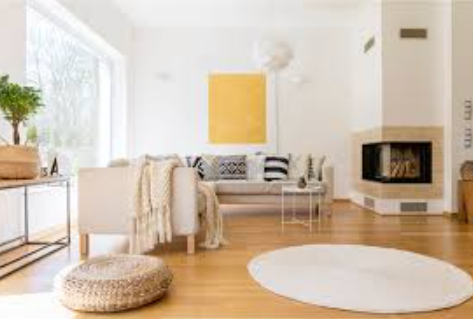
From minor changes to clever hacks, there are 20 home improvement ideas that keep costs under $100. The approach is practical, budget-conscious, and straightforward, focusing on fast wins and measurable impact. Each idea aims to refresh a space without major renovations or debt. The challenge is choosing where to start and how to track progress. A few simple choices can yield noticeable results, but the best plan remains to weigh options thoughtfully before acting.
How to Set a Realistic Under-$100 Budget for Your Home Makeover
Setting a realistic under-$100 budget for a home makeover starts with a clear plan and measurable goals. A detached reviewer outlines practical steps: list priorities, assign dollar values, and track progress weekly. Watch for budget pitfalls and prevent scope creep. Use value tracking to compare costs for materials, tools, and services, ensuring freedom-oriented choices without wasteful overspending.
Refresh Lighting on a Budget: Swap Shades and Add Goal-Driven Fixtures
Refresh lighting on a budget by swapping outdated lamp shades and selecting purpose-driven fixtures that maximize light with minimal cost. The approach emphasizes palette balance and ambient glow, aligning brightness with room function. Budget-minded choices focus on versatile finishes, energy-efficient bulbs, and thoughtful placement. The result is improved atmosphere without overspending, preserving freedom to reconfigure spaces as needs evolve.
Create a Focal Wall Without Breaking the Bank
A focal wall can be built on a budget by using a bold accent, such as a single paint color or wallpaper on one wall.
Contrast can be arranged with trim, art, or furniture to create visual depth without excess cost.
Textured elements—e.g., fabric, variations in paint finish, or accessible wall coverings—add interest without overwhelming the budget.
Hang A Bold Accent
Creating a bold accent wall can instantly define a room without a total renovation, and it often costs less than hiring help for larger projects. A third-person, practical approach suggests using bold accents and accessible materials for budget sourcing. The aim is freedom within constraint, selecting durable, easy-install options that transform space while staying under one hundred dollars.
Arrange Color Contrast
Consider how color contrast can shape a room without a full makeover: a carefully chosen focal wall uses color balance to guide the eye and define space while staying under budget. The approach emphasizes color harmony and contrast pairing, selecting two tones that differ in value yet feel cohesive. Practical choices keep framing simple, allowing freedom to refresh without expense.
Add Textured Elements
Textured elements can transform a room into a focal point without a full makeover by adding depth and interest with affordable accents. The approach remains practical and budget-conscious, presenting simple, repeatable ideas.
A detached observer notes cost-efficient methods—painted patterns, fabric panels, or reclaimed wood accents—that deliver wall texture without heavy investment.
textured elements empower owners to customize spaces confidently, affordably.
Upgrade Window Treatments for Impact and Affordability
Window treatments can improve both light control and curb appeal without overspending. Budget-friendly drapery upgrades, such as lighter fabrics or simple liners, can enhance energy efficiency and room perception. The discussion focuses on practical, low-cost options that maximize impact with minimal investment.
Window Light Control
A smart, budget-friendly approach to Window Light Control focuses on upgrading treatments that balance light management with cost.
The strategy emphasizes simple finishes, adjustable shading, and minimal installation hassle, enabling flexible daylight control.
Emphasis on color harmony helps rooms feel cohesive while preserving brightness.
Lightweight, affordable options encourage freedom through adaptable ambiance without sacrificing privacy or energy efficiency.
Budget-Friendly Drapery Upgrades
Budget-friendly drapery upgrades offer a practical path to improved light control and room cohesion without undermining affordability. The approach favors simple, versatile solutions that don’t trap budgets or restrict style. By selecting budget friendly drapery and essential curtain hardware, spaces gain cohesion and function. Quick swaps, easy installations, and timeless fabrics empower homeowners to refresh rooms with confidence and freedom.
Paint Like a Pro: Color Schemes That Transform Small Spaces
Small spaces can feel more expansive with the right color strategy, and choosing the right palette is a cost-effective way to achieve this without major renovations. Painted walls guide perception: light neutrals reflect daylight, while strategic accent hues energize zones.
Consider color psychology to evoke calm or focus, and plan with small space lighting to maximize brightness and perceived room depth.
Textiles That Lift a Room: Affordable Cushions, Throws, and Rugs
Textiles can instantly elevate a room’s mood and cohesion when chosen with purpose and restraint. Textiles that lift a space rely on practical, budget-conscious picks: mix affordable cushions, throws, and rugs for deliberate textile layering. Seek color coordination across textures, scales, and patterns, avoiding clutter. Choose versatile neutrals accented by one bold hue to refresh without overspending.
Peel-and-Stick Solutions: Walls, Cabinets, and Backdrops You Can Move
Peel-and-stick solutions offer versatile options for walls, cabinets, and removable backdrops without tools or permanence.
They enable quick, budget-friendly changes that can be swapped as moods or seasons shift.
This approach emphasizes practical, movable design that keeps costs low while maintaining impact.
Peel-and-Stick Versatility
Peel-and-stick materials offer a practical, budget-friendly way to refresh walls, cabinets, and backdrops without committing to permanent changes.
The versatility lies in easy repositioning, temporary color shifts, and layered textures that suit renters and DIY enthusiasts alike.
Peeling away leaves no residue when removed, preserving surfaces.
For a flexible decor approach, peel and stick proves budget friendly and simple to deploy.
Quick-Change Display Backdrops
Quick-change display backdrops offer a practical, budget-conscious solution for see-and-swap visuals in any space. The approach centers on peel-and-stick options for walls, cabinets, and surfaces, enabling rapid transformations without commitment. With quick change, rooms adapt to seasons or moods. Backdrops quick change empower owners to refresh decor, maintain flexibility, and preserve budget while preserving a confident, freedom-seeking aesthetic. backdrops
Quick Kitchen Brighteners: Hardware, Backsplash Patches, and Organizing Hacks
A few simple updates can brighten a kitchen quickly and cheaply: swapping small hardware, patching minor backsplash gaps, and rethinking organizing spots. The approach emphasizes quick kitchen improvements with affordable choices like brighteners hardware and minimal backsplash patches. Practical, budget-conscious decisions empower homeowners to declutter, reassign storage, and maintain a freer, more efficient, aesthetically balanced space without oversized investments.
Bathroom Budget Boosts: Accessories, Vanity Organizers, and Shower Upgrades
In a similar vein to updating a kitchen on a modest budget, this section identifies practical ways to refresh a bathroom without large expenditures. Budget-minded readers discover affordable bathroom budget enhancements, focusing on accessories, clever vanity organizers, and shower upgrades. Simple additions reduce clutter, improve efficiency, and preserve freedom of choice, while staying within limits. Practical, concise ideas promote smarter, portable bathroom organization.
Flooring Fix-Ups Under $100: Rugs, Mats, and Temporary Solutions
Flooring upgrades can be tackled quickly and affordably with under-$100 solutions like area rugs, bath mats, and removable floor coverings.
The section outlines practical rug fixes that cover high-traffic areas and easy color updates, plus mat solutions for moisture and contrast.
These options emphasize freedom to reimagine spaces without permanent changes, blending function with budget-conscious style.
Smart Storage Hacks That Save Space and Money
Smart storage hacks that save space and money focus on maximizing every inch with affordable, practical solutions. The approach emphasizes storage optimization through modular racks, under-bed bins, and wall-mounted options that free floor space without clutter. Budget friendly organization relies on multiuse containers and labeling for easy access, enabling freedom to rearrange as needs change while keeping costs low and environments tidy.
Upcycling Furniture: Transform a Piece With Paint and Hardware
Upcycling furniture offers a practical way to refresh a room without a large investment, building on the smart storage mindset by giving older pieces new purpose. This approach emphasizes accessible methods: choose versatile furniture, select durable paint, and install simple hardware updates. Upcycling ideas focus on personal style, while paint hardware choices balance cost and effect for a cleaner, freer finish.
Outdoor Refresh: Starter Landscaping and Patio Makeovers Under $100
Small changes can noticeably lift outdoor spaces without a big spend. Outdoor refresh focuses on starter landscaping and affordable patio makeovers. The approach emphasizes practical, budget-conscious choices: strategic outdoor plantings for texture and color, low-cost pavers or mulch upgrades, and compact planting beds that define zones. Patio privacy can be enhanced with screens, trellises, and vertical greenery, maximizing enjoyment without excess cost.
Decluttering as a Design Move: Simple Systems That Look Gateless
Decluttering can be a practical design move when simple systems guide storage and visual flow.
A budget-conscious approach emphasizes clear zones and consistent organizers to maintain a clutter-free look.
Simple System Setup
A simple system setup can transform a space by prioritizing function over excess, showing that restraint is a design choice rather than a restriction. It favors practical solutions, affordable organization, and durable finishes.
The approach highlights budget swaps and color psychology to guide coherence. With clear boundaries, freedom emerges from purposeful, tidy surfaces, enabling effortless maintenance and versatile, gateless aesthetics.
Clutter-Free Visual Flow
Clutter-free visual flow hinges on simple systems that conceal excess while preserving function, creating spaces that feel open and coherent.
The approach emphasizes built-in efficiency, discreet storage, and consistent silhouettes. By selecting versatile containers and modular furniture, rooms maintain calm visual rhythm. Perimeter cords, hidden charging, and labeled bins minimize distraction, achieving clutter free, enhanced visual flow within a modest budget.
DIY Wall Art and Personalization Ideas on a Budget
For budget-conscious homeowners, small, inexpensive touches can dramatically personalize a space without a major investment, using simple materials, readily available supplies, and DIY methods that yield visible impact.
diy wall projects and personalization ideas emphasize creativity over cost, enabling distinctive walls with printable art, fabric wraps, or painted geometric patterns.
Practical, flexible approaches respect freedom while delivering tangible, cohesive room character.
Shop Smart: Finding the Best Deals and Keeping Costs Low
Smart budgeting and deal-hunting techniques help homeowners maximize value without overspending. By identifying core needs, comparing prices, and leveraging discounts, readers can lower the overall cost of improvements. The approach emphasizes practical, cost-conscious choices and steady cost control.
Smart Budgeting Tips
To stretch a budget without sacrificing quality, homeowners should start by setting clear priorities, comparing prices from multiple retailers, and timing purchases around sales and coupons.
Smart budgeting minimizes impulsive buys and tracks recurring costs, emphasizing transparent material sourcing and supplier reliability.
Awareness of budgeting pitfalls helps safeguard value, while thoughtful planning supports freedom to choose durable, cost-effective options without compromising projects.
Deal-Hunting Techniques
Deal-hunting in home improvement means evaluating prices, comparing retailers, and timing purchases to maximize value without compromising quality. The approach emphasizes disciplined research, stock awareness, and patient waiting for promotions. In practice, shoppers track sale cycles, use price history tools, and prioritize multi-purpose items. The result is sustained savings through deal hunting and budget tricks, preserving freedom to upgrade thoughtfully.
Seasonal Accent Swaps: Quick, Reversible Updates
Seasonal accent swaps offer quick, reversible updates that refresh a room without breaking the budget. These changes emphasize flexibility over permanence, allowing homes to breathe with the seasons. Practical, budget-conscious choices include swapping pillow covers, throws, and wall decor, while preserving core furniture. Seasonal swaps enable personal expression and freedom, with minimal commitment and maximum versatility through affordable, thoughtful updates. Seasonal swaps, reversible updates.
Safeguard Your Investments: Quick Maintenance to Extend Life
Investing in home improvements should also include a focus on durability and longevity. Quick maintenance protects value and reduces future costs, aligning with a freedom-minded budget. Regular checks, lubrication, weatherproofing, and timely repairs extend life without overspending.
Track ROI, document results, and consider budget photography to illustrate progress. Efficient upkeep reinforces investment resilience and clear, measurable savings.
Small-Scale Tech Tweaks: Smart Bulbs and Simple Upgrades Under $100
Smart bulbs and simple upgrades under $100 can noticeably boost daily convenience and energy efficiency without straining a budget. These tweaks offer practical control, from lighting schedules to ambiance, while preserving budget freedom. Tiny sensors monitor room activity, enabling efficient use. Voice control adds hands-free ease, reducing friction for routine tasks. A focused, affordable approach yields tangible, ongoing savings.
Before-and-After Planning: How to Track Progress Without Overspending
Before-and-after planning centers on clear, measurable steps that prevent overspending while documenting tangible improvements; a structured approach helps homeowners track gains without breaking the budget. The method emphasizes disciplined budgeting, transparent milestones, and simple records. It supports a sense of freedom by clarifying choices, enabling deliberate spending. Key practices include before and after comparisons and diligent progress tracking to stay on target.
Frequently Asked Questions
How to Prioritize Projects for Under-$100 Impact?
Prioritizing quick wins and evaluating ROI guides this approach. The method favors inexpensive, high-impact tasks, sequencing actions by cost-efficiency and measurable results, enabling budgeting freedom while delivering tangible improvements. Decisions emphasize practicality, speed, and scalable, affordable gains.
What Invisible Costs Might Sabotage a Budget Plan?
A striking 62% of projects encounter invisible costs that quietly undermine plans. Invisible costs can sabotage a budget by underestimating materials, labor continuity, or permit delays. Budget-conscious planners anticipate, track, and renegotiate to maintain financial freedom.
See also: How Technology Is Making Work More Flexible
Can DIY Repairs Affect Home Insurance or Warranties?
DIY repairs can affect home insurance and warranties if improper, noncompliant, or voided by policy terms; professionals’ certification often preserves coverage. Can diy save money, and still protect accountability? A budget-conscious approach prioritizes documented, safe, compliant methods for peace of mind.
Which Materials Offer Best Durability on a Tight Budget?
A hypothetical condo retrofit shows durable plastics outperforming cheap composites; they last longer under daily wear. Durable plastics, budget friendly metals offer best durability on a tight budget. They balance cost with resilience, in practical, freedom-minded compromises.
How to Measure Real Savings From Small Upgrades?
The article explains how to quantify ROI by comparing upfront costs to long-term savings, prioritizing impact while budget tracking. It emphasizes measuring upfront vs. long term savings, and choosing upgrades that maximize freedom without overspending.
Conclusion
This article shows practical, budget-minded ways to refresh a home for under $100. Readers can expect actionable steps, from swapping shades to adding removable decor, that deliver noticeable impact without overspending. By prioritizing attainable upgrades and tracking progress, households avoid costly overhauls. In short, they can stretch every dollar and still see meaningful change—like nudging a ship toward a brighter harbor with a steady hand on the helm. Progress rolls in when frugality meets focus.
